SNP - ON SCOTLAND'S SIDE
Energy debate for the North east
The debate over the future of the energy sector in the North East is about livelihoods, jobs, skills mortgages, and the survival of our high streets.
NEWSCAMPAIGN
Dawn Black
3/7/20265 min read
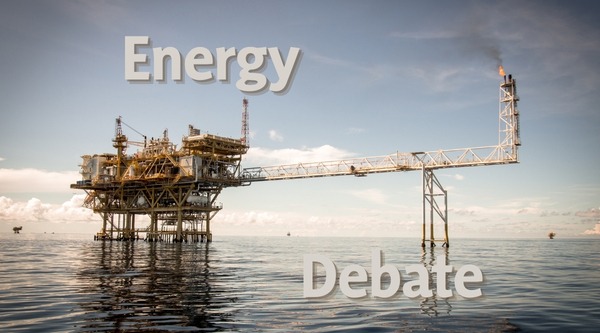
For over half a century, the North East of Scotland has been the oil capital of Europe whilst also being a cash cow for the Westminster Treasury. From the first discovery of North Sea oil to the sophisticated deep-water operations of today, the skills, grit, and innovation found in the North East coastal communities have filled the coffers of the UK Treasury to the tune of hundreds of billions of pounds. And, as we stand at a pivotal crossroads in our industrial history, the people of this region are rightfully asking: who is this system actually working for?
The debate over the future of our energy sector is often framed as a binary choice between the climate and the economy. This is a false and dangerous dichotomy. For those of us in the North East, the energy transition is not an abstract policy paper; it is about livelihoods, jobs, skills mortgages, and the survival of our high streets. To navigate this path successfully, we must move beyond the erratic and often damaging policies dictated by Westminster and embrace the full powers of independence to secure our energy future.
The most recent and glaring example of Westminster’s failure to understand the North East is the Energy Profits Levy (EPL). While it is right that companies making extraordinary profits during a cost-of-living crisis contribute their fair share, the blunt instrument of the EPL - extended and hardened by a Labour Chancellor - has become a textbook case of bad policy. Started during the oil and gas price peak after the start of the Ukraine war, it was supposed to be a short-term levy which tapered off as the crisis passed.
By creating an unstable and uncompetitive tax environment, Westminster has effectively told global investors that Scotland is a risky place to do business. We have already seen the fallout. Harbour Energy, a major employer in our region, has warned that its UK business unit will struggle to compete for capital within its global portfolio. When investment is pulled, it isn't just a line on a spreadsheet that disappears - it is the apprenticeships for our youth, the skills of the workers, the local supply chain contracts, and the very stability of our regional economy.
The tragedy of the EPL is that it undermines the very transition it claims to support. The largest investors in the renewable technologies of tomorrow - offshore wind, green hydrogen, and Carbon Capture and Storage (CCS) - are the same energy companies currently operating in the North Sea. By crippling their ability to plan for the long term, Westminster is slowing down the march toward Net Zero.
Current events show that the necessity of a strong, domestic energy sector has never been more apparent. As we witness escalating conflicts in the Middle East, the fragility of global energy markets is laid bare. Relying on volatile regions for our fuel and feedstock is not just an economic risk; it is a national security risk. Every barrel of oil or cubic metre of gas that we decide not to produce domestically while demand still exists is simply a barrel or metre we must import. Often, these imports come from regimes with questionable human rights records or from jurisdictions with far lower environmental and regulatory standards than our own. Ironically, this "offshoring" of our emissions does nothing for the environment, but it does a great deal of damage to our balance of payments and our industrial base.
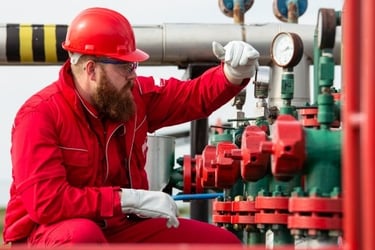
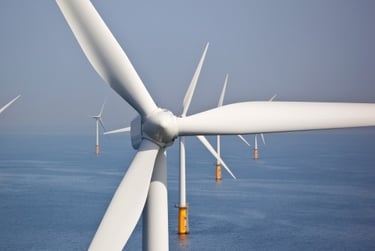
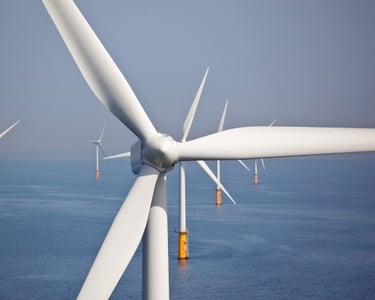
In an independent Scotland, energy policy would be dictated by the geographical and economic realities of Scotland, not the short-term political needs of a Chancellor in Westminster. We should have the power to ensure that our domestic resources act as a bridge - providing security and price stability - while we build the renewable infrastructure of the future.
The most valuable resource in the North East isn't the oil beneath the seabed - it is the 100,000 workers whose skills are essential to our region's economy. The engineer who can design a subsea manifold for an oil field is the same person who can design the foundations for a floating offshore wind turbine. The technicians who maintain high-pressure pipelines are the same people we need to build a hydrogen economy.
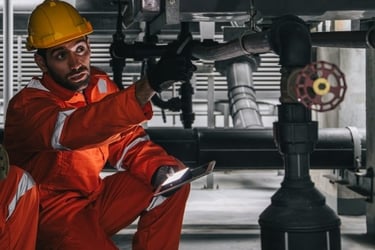
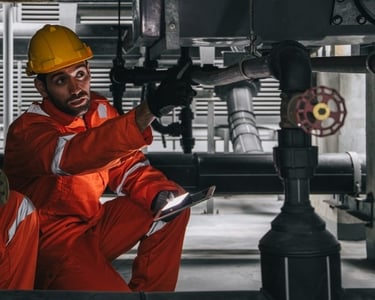
However, "Just Transition" cannot be a mere slogan. It requires a managed handover. If we allow the oil and gas industry to collapse in the North East through punitive taxation and a lack of new licences, those workers will not simply wait around for the renewables sector to mature. They will take their skills to Guyana, the Gulf of Mexico, or Norway. Once that "brain drain" begins, it is almost impossible to reverse.
Scotland has the potential to be the "Green Energy Capital of Europe”. We have the wind, the water, and the North Sea's depleted reservoirs for carbon storage. But to realise this, we need a government that views the North East as a strategic partner, not a "cash cow" to be milked during boom times and abandoned during the transition. The fundamental problem is that under the current devolution settlement, the most important levers of energy policy - licensing, regulation, and the lion's share of taxation - remain reserved to Westminster.
Scotland produces more electricity than it consumes, yet our constituents pay some of the highest standing charges in the UK due to a grid charging system designed in the 1980s to favour generation near London. Independence would allow Scotland to establish a Sovereign Wealth Fund like Norway's. And like Norway, we could ensure that the remaining value of our natural resources is reinvested into a permanent fund for future generations. We could scrap the discriminatory charging regimes that penalise Scottish renewable projects for being "too far" from London.
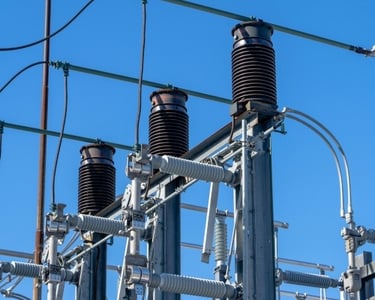
Without Westminster we could prioritise projects like the Acorn CCS project at St Fergus, which has been repeatedly snubbed or delayed by Westminster despite being promised in the 2014 referendum. And we could create a bespoke tax system to help our energy industry. An independent Scotland could design a fiscal framework for the North Sea that balances fair returns for the public with the price signals and stability needed to keep investment flowing into both oil and gas and renewables.
The North East has never been afraid of hard work or big challenges. We led the way in the 1970s, and we are ready to lead the way in the 2030s and beyond. But we cannot do it with one hand tied behind our back by a Westminster system that treats our industry as a political football. Independence is about the powers to manage our own resources for the benefit of our own people.
And for the here, it is about the right to ensure that the wealth generated in the North Sea benefits the North East, with a transition that is truly just, truly green, and truly Scottish.

Contact
Email:
© 2026. All rights reserved.
Promoted by Dawn Black MSP, c/o Gordon lamb House, 3 Jackson’s Entry, Edinburgh EH8 8PJ
Connect on social media
dawn.black.msp@parliament.scot
Reach out with questions or support
No parliamentary funds have been used in creating this website